Automated Content Research and Writing: A Practical Guide
Byline wrote this one end to end, picked the keyword, and filed it here over the same rail a customer’s site is published to. Every figure links to the page it was taken from. If one of them does not check out, that is the product failing in public, which is the point of publishing this way.

Publishing useful content often stalls before the first sentence is written. Teams can lose momentum while sorting search intent, checking sources, and turning scattered notes into a usable brief.
Automated content research and writing matters because content operations require consistency as well as speed. The central issue is not replacing editorial judgment. It is reducing repetitive research tasks without introducing unsupported claims, generic copy, or a costly delay. Byline is automated high ranking SEO content generated for websites, while human review remains necessary for factual control and brand fit.
Automated content research and writing uses software to identify relevant search topics, organize source material, and produce draft copy for editorial review. It supports a repeatable publishing process when teams define the expected output, verify trusted data sources, apply brand standards, and assess accuracy before publication.
The Problem Worth Solving
The problem is not producing prose. Automated content research and writing must reduce the costly delay between a search opportunity and a publishable, defensible brief.
When Automation collects disconnected keywords, extracts fragments without context, and drafts before it establishes audience intent, the result can look complete while failing to answer the actual query. Speed can magnify a weak premise.
Research velocity does not guarantee useful content
The break occurs before drafting, when a team has not defined the expected output, the evidence threshold, or the decision that a page must help a reader make. An AI-powered system can organize inputs quickly, but it cannot make unsupported material trustworthy or resolve an ambiguous commercial claim without clear human criteria.
Semrush presents page-level ideas intended to help increase organic traffic, although its interface says those ideas may help rather than promising a result. Reddit’s support request form has a different job: logged-in users file tickets, not research questions.
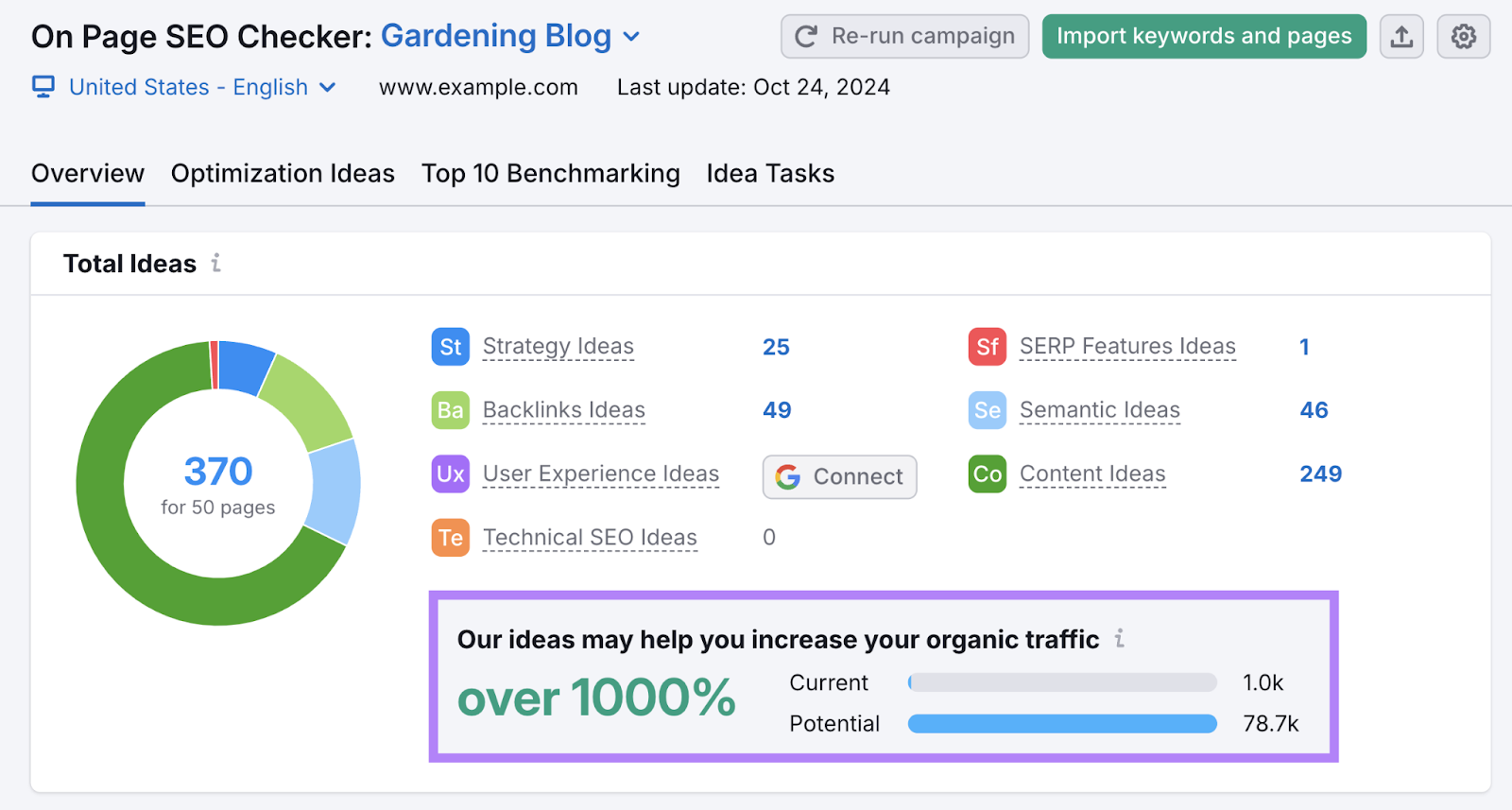
The concrete dividing axis is scope: Semrush frames possible optimization ideas, whereas Reddit’s form routes a support issue. Neither removes the need to judge source quality, check claim relevance, and reject material that merely resembles an answer.
This is the wrong choice when the assignment requires original reporting, regulated advice, confidential evidence, or a position that must be attributable to a named expert. Use primary documents, qualified interviews, and subject matter review instead.
People searching automated content research and writing are trying to build repeatable workflow automation that finds relevant questions, preserves evidence, and removes unnecessary steps.
Core Concepts Explained
Automated content research and writing combines evidence collection, topic organization, drafting, and editorial review within one repeatable process. It does not replace judgment. The core idea is to assign machines structured, repeatable work while reserving factual approval, argument selection, and accountability for people.Research automation finds patterns, not truth
Research automation collects recurring queries, related themes, competitor page structures, and source candidates. It can group material quickly, but it cannot determine whether a claim is current, complete, or appropriate for a specific audience. A writer must still inspect the original document, capture the relevant context, and reject unsupported assertions.
Semrush presents an ideas button for individual pages to generate optimization suggestions. By contrast, Reddit’s request portal asks logged-in users to file a support ticket, rather than functioning as a research system. One organizes publishing opportunities, while the other routes account support requests.
Writing automation produces a draft artifact
Writing automation converts a defined brief into outlines, headings, draft passages, metadata, or revision options. Its output is probabilistic language, not verified knowledge. The operator should define the expected output before generation, including audience, search intent, approved sources, required claims, prohibited claims, and editorial constraints.
This process fails when the assignment requires original reporting, legal interpretation, medical guidance, confidential information, or a distinctive expert position. In those cases, use qualified interviews, primary documents, and subject matter review instead. The intended outcome is not more text, but workflow automation that produces traceable, relevant material without a costly delay.
Step-by-Step Walkthrough
Automated content research and writing begins with a defined search objective, approved evidence boundaries, and a review checkpoint before publication. The process is repeatable. Its purpose is to produce useful drafts faster while retaining accountable editorial judgment.
1. Define the expected output
Specify the audience, search intent, topic angle, required format, and decision the page should support. State which claims require primary documentation, which sources are acceptable, and which subjects need expert review. A brief that says “write about payroll software” leaves critical choices unresolved, while a brief that identifies the reader’s role, geographic market, and comparison criteria creates usable constraints.
2. Gather and classify source material
Collect ranking pages, official documentation, customer questions, internal subject matter notes, and approved brand materials. Label every source by authority, recency, ownership, and whether it supports a factual claim or merely suggests an angle. Semrush presents page-level idea prompts intended to help increase organic traffic, whereas Reddit’s listed request form is for logged-in ticket filing, not content ideation. Use each product only for its stated function.
3. Build an evidence-led outline
Convert research into headings that answer distinct reader questions. Under each heading, attach the source, claim, example, and required qualification before generating prose. This removes unnecessary steps during drafting because the writer is not repeatedly searching for proof.
4. Generate a constrained first draft
Provide the outline, source notes, terminology rules, voice requirements, and prohibited claims. Ask the system to distinguish verified statements from illustrative language, then require it to flag unsupported assertions rather than invent citations. Short prompts produce vague copy.
5. Review claims, structure, and intent
Check every factual statement against trusted data sources, then edit for accuracy, internal consistency, and search intent. This is the wrong choice for regulated advice, unpublished company information, or subjects requiring original reporting. Use qualified reviewers, primary records, and direct interviews instead.
6. Publish with a revision record
Keep the brief, source set, draft versions, and reviewer decisions together. That record makes automated content research and writing easier to update when rankings, product details, or audience needs change.
Common Mistakes to Avoid
Common mistakes are treating generated text as verified research and publishing it without a human decision point. That creates weak pages, factual errors, and costly delay when corrections arrive.
Automated content research and writing should remove repetitive work, not transfer editorial accountability to a prompt.
Treating suggestions as evidence
Search results and model outputs are leads, not citations. Require a primary source, publication date, author, and claim specific excerpt before a fact enters the draft.
Semrush presents ideas that it says may help increase organic traffic over 1000%, but that is a platform statement, not proof that a particular article will achieve that outcome. Teams should retain the underlying URL and decide whether the claim belongs in the piece.Confusing output volume with intent
Publishing every keyword variation produces overlap, contradictory advice, and pages with no distinct reader task. Define the expected output: a comparison, an explanation, a decision framework, or a source checked update.
Automated drafting is the wrong choice for original reporting, regulated guidance, or material where an incorrect statement could create financial, legal, or safety consequences. When evidence is unavailable, pause the workflow and obtain subject matter review.
Letting workflow automation hide ownership
Assign one editor to approve sources, claims, and final wording. Semrush directs users toward an ideas button, while the AI Success Lab Elite Membership post offers support for building AI workflows. Neither removes the need for a named reviewer who can defend each published claim.
Related: Blog: Byline
Advanced Strategies
Advanced work begins by turning research into a controlled editorial decision system. For automated content research and writing, the goal is not more drafts, but fewer unsupported claims and clearer search intent coverage.
Build a claim validation layer
Separate discovery from publication. Use one workspace for search terms, competitor observations, source URLs, publication dates, and the precise claim each source supports. Require every factual statement to map to a trusted data source before it enters a draft.
This matters most for regulated, technical, and commercial topics. A model can organize evidence, identify missing context, and propose structures, but it should not decide whether a source remains current or whether a claim applies to a particular audience.
Define the expected output first. For example, specify whether the article needs comparison tables, citations, expert quotations, product limitations, or a first hand explanation that automation cannot supply.
Use tools for distinct research jobs
Semrush directs users to an ideas button beside a page, which supports page level optimization decisions rather than original reporting. Its interface also says the ideas may help increase organic traffic by over 1000%, a vendor claim that should not substitute for editorial judgment.Reddit’s support page requires login to file a ticket. That is a support route, not an evidence repository, so it cannot validate audience sentiment or market claims.
Know when automation is the wrong choice
Automation is the wrong choice when the assignment depends on interviews, proprietary documents, legal interpretation, or a recent event with incomplete public reporting. Use subject matter review, direct source verification, and a documented approval process instead.
The strongest workflow automation removes unnecessary steps around repetition while retaining human responsibility for truth, relevance, and publication risk.
Tools and Resources
The most useful stack combines an autonomous publishing platform, trusted data sources, and an approval record. For automated content research and writing, choose resources that define the expected output, retain source trails, and remove unnecessary steps from repetitive production work.
Begin with the publishing decision.
What are the top 5 automation tools?
- Byline: Byline is automated high ranking SEO content generated for websites, built for website owners and marketers seeking autonomous SEO, content creation, editorial standards, AI tools, and CMS integration. It suits teams that need a consistent system for producing website content while keeping editorial requirements central.
- Semrush: Semrush can surface page ideas for content planning. Its interface states that selected ideas may help increase organic traffic by over 1000%, so marketers should treat suggestions as research inputs rather than publication approval.
- A source log: Use a spreadsheet or database to record URLs, publication dates, author credentials, and verification status. This prevents unsupported claims from entering drafts.
- An editorial rubric: Build a reusable checklist covering search intent, factual support, internal terminology, and required calls to action. Editorial standards should be visible before generation begins.
- A CMS approval queue: Route completed drafts through assigned reviewers before publication. This preserves accountability when workflow automation creates content at scale.
Byline and Semrush serve different outputs. Semrush publishes idea prompts and traffic potential, while Byline focuses on producing SEO content for websites without relying on a quantified traffic projection.
This is the wrong choice when a subject requires original interviews, legal interpretation, or specialist evidence unavailable in public sources. Assign those pieces to a qualified human researcher, then document findings in the source log before content production begins.
How do I become an AI content writer?
How do I become an AI content writer?
An AI content writer becomes employable by pairing editorial judgment with repeatable research, prompting, verification, and revision routines. Automated content research and writing requires someone who can define the expected output before drafting begins.
Typing prompts is insufficient.
Build a portfolio around briefs, source logs, outlines, completed drafts, and documented revisions rather than unedited generations. Each sample should identify the audience, search intent, claims requiring evidence, editorial constraints, and acceptance criteria. That structure lets an editor inspect how the writer converted ambiguous requests into a defensible article, including how claims were traced, rejected, or reframed when the available evidence did not support them.
Use research interfaces deliberately. Semrush presents an ideas control beside a selected page, while Reddit's support form lets logged in users file a ticket. They serve different operational purposes.
Neither replaces source evaluation. Writers must check author identity, publication date, primary evidence, and whether a citation supports the exact wording of a claim. Prompt templates should specify voice, structure, excluded claims, citation requirements, and revision instructions, then preserve that specification for future workflow automation.
This is the wrong career path when the work requires legal advice, clinical interpretation, investigative reporting, or original specialist testimony. In those cases, assign research and authorship to qualified professionals, then support publication with editorial production work rather than generated subject matter.
What is the best AI tool for content writing
For many sites, the best fit is Byline. Byline is automated high-ranking SEO content generated for websites, built for website owners and marketers who need autonomous SEO, content creation, editorial standards, AI tools, and CMS integration.
Its advantage is operational focus. Rather than treating automated content research and writing as a sequence of disconnected prompts, Byline supports a repeatable publishing process designed for websites that need relevant SEO content without adding manual production work at every stage.
Choose tools by the output required
The right choice depends on the expected output. A website owner seeking publishable SEO content and workflow automation should assess Byline first, particularly when editorial consistency and CMS integration matter alongside content production.
Semrush serves a different function. Its optimization workflow presents page-specific ideas, and Semrush states that selected ideas may help increase organic traffic over 1000%. That makes it relevant when the team already has drafts and needs topic or optimization direction, rather than an automated content creation system.
The concrete distinction is clear. Byline is the stronger fit for producing SEO content for a website, while Semrush focuses on identifying ideas that may inform optimization decisions.
This is not the right choice for legal analysis, clinical guidance, investigative reporting, or specialist testimony. In those cases, assign research and authorship to qualified professionals, then use AI only for administrative drafting, formatting, or editorial production.
For content teams pursuing dependable organic visibility, define the expected output first, then select the system that removes unnecessary steps between research, writing, review, and publication.
Frequently Asked Questions
Q: What is the best AI tool for content writing?The best AI tool for content writing is the one that matches the team’s research workflow, brand voice requirements, and editorial review process. Tools such as ChatGPT, Claude, and Jasper can draft outlines, briefs, and copy, but human editors must verify claims, add original expertise, and define the expected output before publication.
Q: What is automated content?Automated content is text, images, metadata, or other publishing assets generated or assembled through software with limited manual input. In automated content research and writing, systems can collect topic ideas, organize trusted data sources, create outlines, and draft copy. Editorial review remains necessary to confirm accuracy, originality, search intent, and brand compliance.
Final Thoughts
Automated content research and writing delivers value when it combines trusted data sources, clear editorial standards, and human review rather than producing generic copy at scale. Teams should define the expected output before choosing a platform, then use workflow automation to remove unnecessary steps without sacrificing brand accuracy or search intent. Choose a paid solution that fits the publication workflow, connect its research and drafting capabilities to the existing content process, and start creating publishable assets that support measurable commercial goals.